
Sol Overview
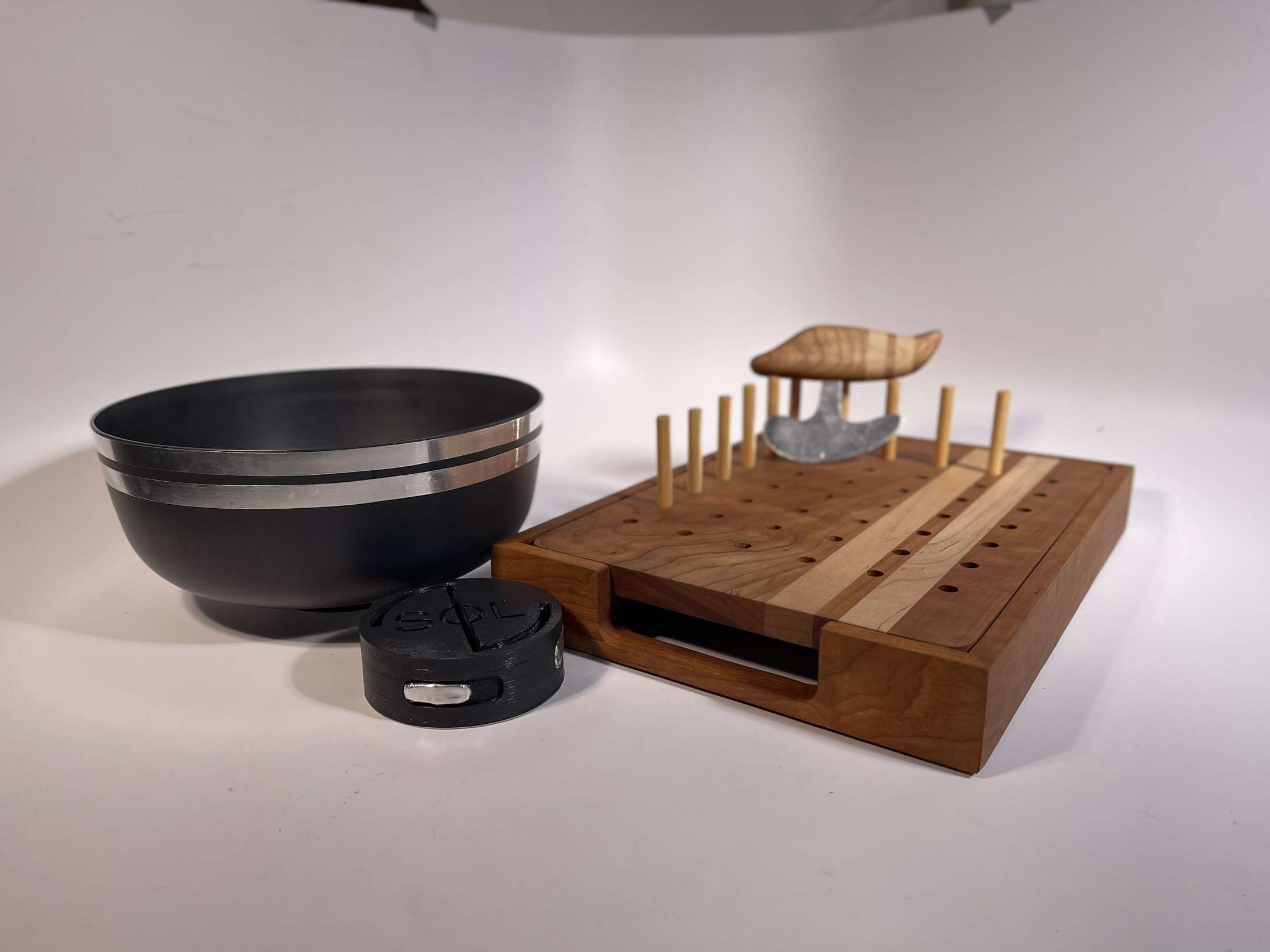
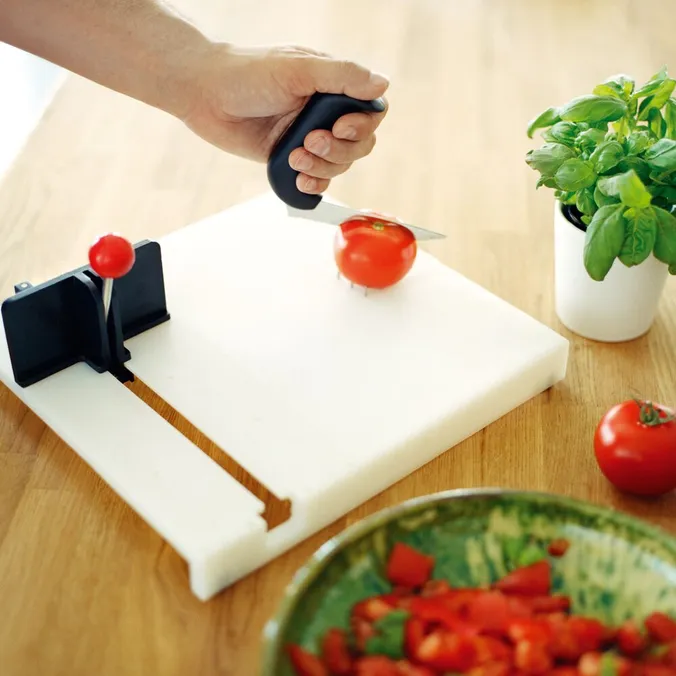
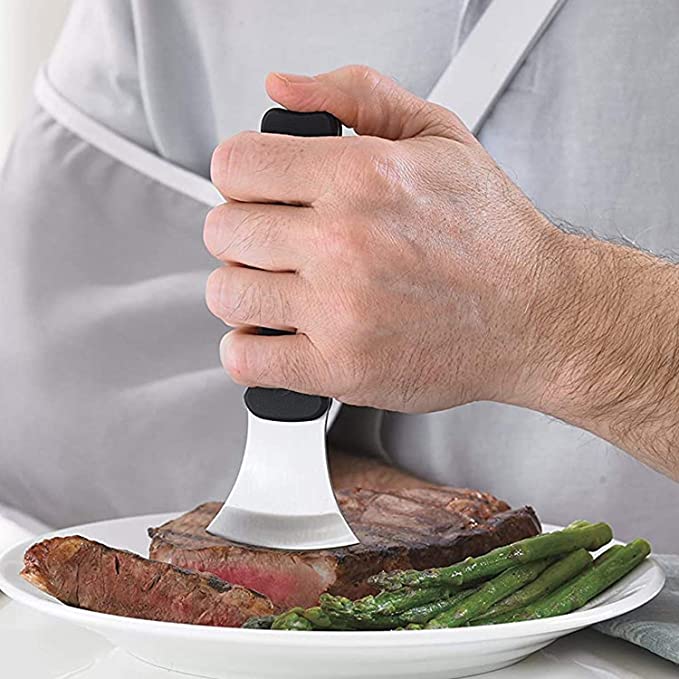
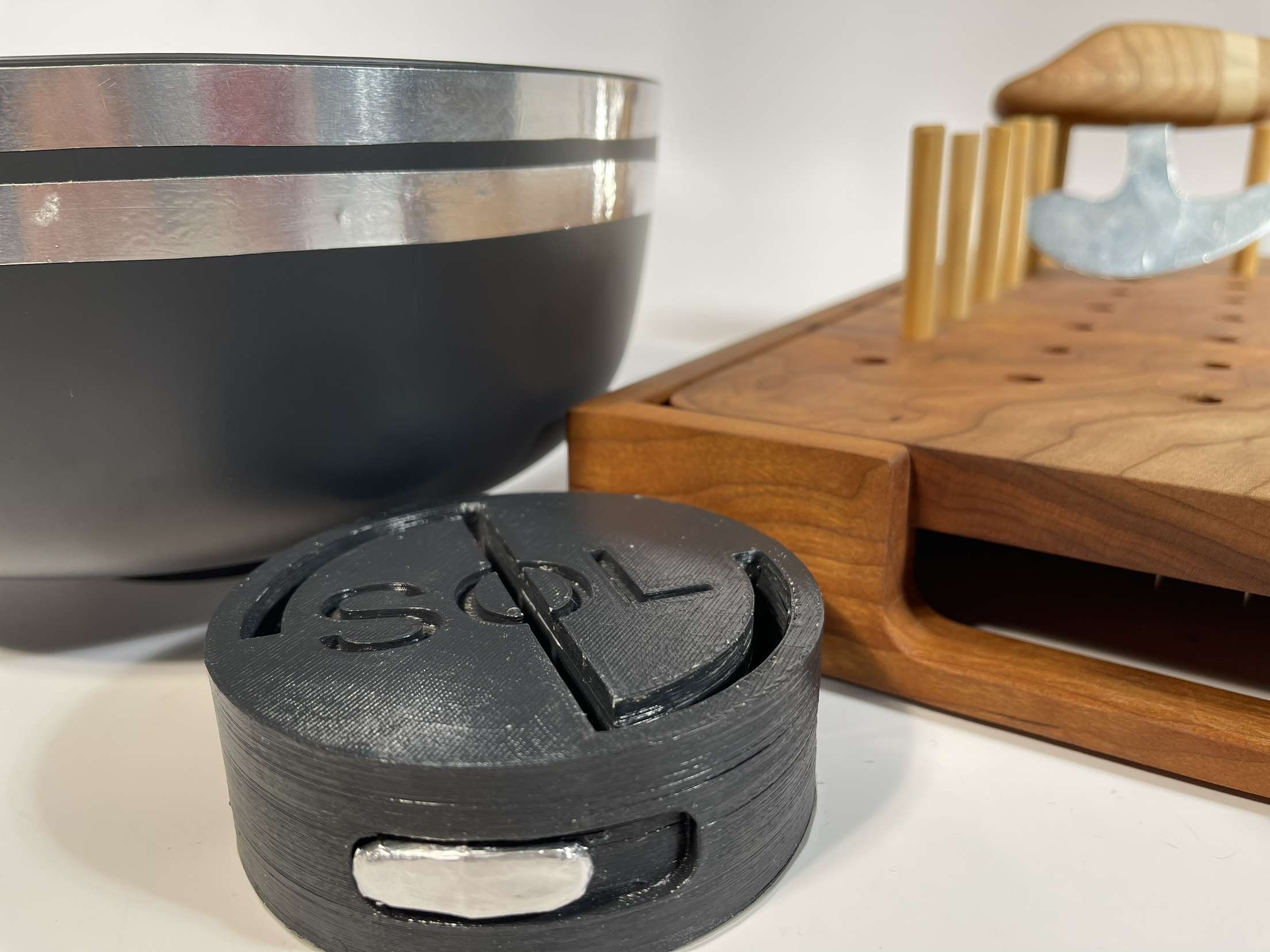
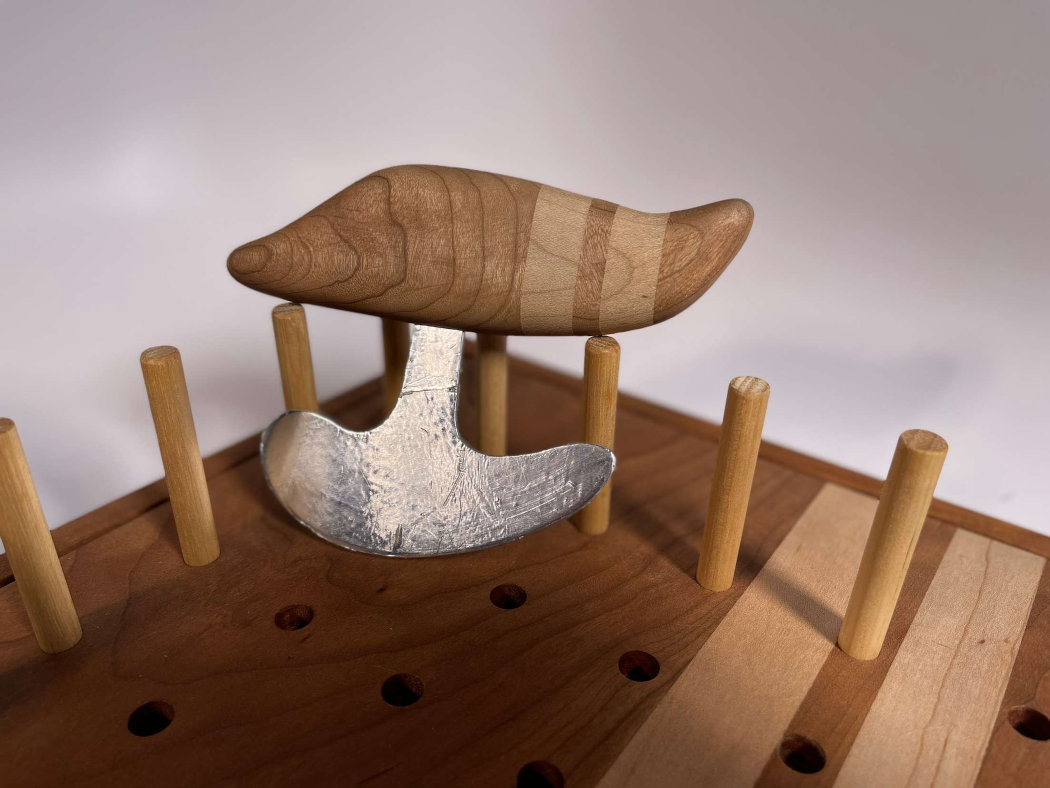
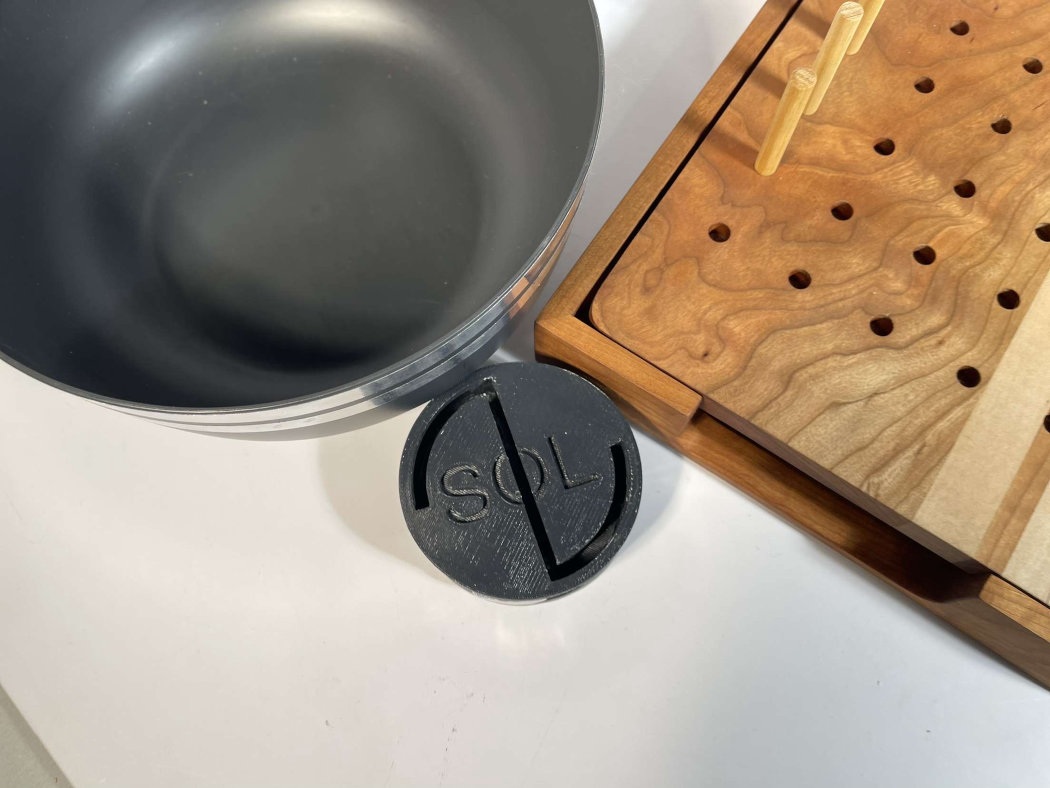
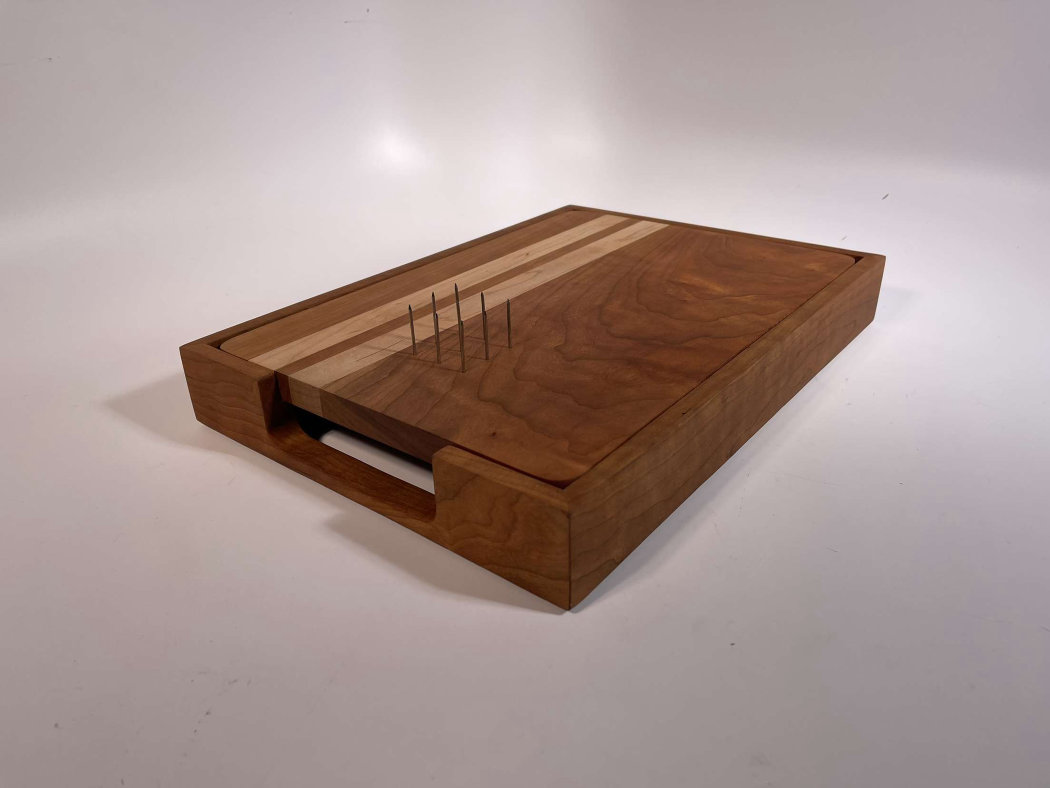
With a critical market gap in kitchenware for individuals with one arm or limited mobility indentigied. A process, heavily emphasized on market research, where I analyzed existing products, conducted in-depth interviews, and developed user personas to deeply understand specific needs. This foundational research then fueled a rigorous ideation phase, leading to the development of three innovative solutions.
Extensive user research was performed, including analyzing over 50 existing kitchenware brands and 100+ individual products. Through this rigorous process, encompassing interviews with 20 individuals experiencing limited upper limb mobility (including a key case study with an arm amputee), and the creation of detailed user personas, I identified a critical, undeserved gap in the kitchenware market for individuals with one arm or limited mobility in an arm. This validated need, impacting an estimated 2.7 million Americans with limb differences, solidified the importance and potential impact of our design solutions.
Recognizing that green light effectively spooks geese, we collaborated with local engineers to create an automated, solar-powered rotating laser designed to float on water. This system was programmed to operate from dusk till dawn, causing geese to leave properties as the laser rotated. During development, I played a key role in refining the final design for production and devising effective packaging solutions to prevent shipping damage. To date, hundreds of units have been sold both domestically and internationally, highlighting the successful development and market adoption of this impactful technology.
I utilized Fusion 360 for 3D modeling and rendering, Procreate for sketching and concept visualization, and Adobe Illustrator for detailed 2D drawings and branding elements throughout the design and development of this project. My prototyping process began with paper models to quickly explore forms, progressing to more refined woodworking for initial functional tests, before culminating in 3D printed prototypes for final design validation.
Sol Overview
With a critical market gap in kitchenware for individuals with one arm or limited mobility indentigied. A process, heavily emphasized on market research, where I analyzed existing products, conducted in-depth interviews, and developed user personas to deeply understand specific needs. This foundational research then fueled a rigorous ideation phase, leading to the development of three innovative solutions.
Extensive user research was performed, including analyzing over 50 existing kitchenware brands and 100+ individual products. Through this rigorous process, encompassing interviews with 20 individuals experiencing limited upper limb mobility (including a key case study with an arm amputee), and the creation of detailed user personas, I identified a critical, undeserved gap in the kitchenware market for individuals with one arm or limited mobility in an arm. This validated need, impacting an estimated 2.7 million Americans with limb differences, solidified the importance and potential impact of our design solutions.
Recognizing that green light effectively spooks geese, we collaborated with local engineers to create an automated, solar-powered rotating laser designed to float on water. This system was programmed to operate from dusk till dawn, causing geese to leave properties as the laser rotated. During development, I played a key role in refining the final design for production and devising effective packaging solutions to prevent shipping damage. To date, hundreds of units have been sold both domestically and internationally, highlighting the successful development and market adoption of this impactful technology.
I utilized Fusion 360 for 3D modeling and rendering, Procreate for sketching and concept visualization, and Adobe Illustrator for detailed 2D drawings and branding elements throughout the design and development of this project. My prototyping process began with paper models to quickly explore forms, progressing to more refined woodworking for initial functional tests, before culminating in 3D printed prototypes for final design validation.
Sol Overview
With a critical market gap in kitchenware for individuals with one arm or limited mobility indentigied. A process, heavily emphasized on market research, where I analyzed existing products, conducted in-depth interviews, and developed user personas to deeply understand specific needs. This foundational research then fueled a rigorous ideation phase, leading to the development of three innovative solutions.
Extensive user research was performed, including analyzing over 50 existing kitchenware brands and 100+ individual products. Through this rigorous process, encompassing interviews with 20 individuals experiencing limited upper limb mobility (including a key case study with an arm amputee), and the creation of detailed user personas, I identified a critical, undeserved gap in the kitchenware market for individuals with one arm or limited mobility in an arm. This validated need, impacting an estimated 2.7 million Americans with limb differences, solidified the importance and potential impact of our design solutions.
Recognizing that green light effectively spooks geese, we collaborated with local engineers to create an automated, solar-powered rotating laser designed to float on water. This system was programmed to operate from dusk till dawn, causing geese to leave properties as the laser rotated. During development, I played a key role in refining the final design for production and devising effective packaging solutions to prevent shipping damage. To date, hundreds of units have been sold both domestically and internationally, highlighting the successful development and market adoption of this impactful technology.
I utilized Fusion 360 for 3D modeling and rendering, Procreate for sketching and concept visualization, and Adobe Illustrator for detailed 2D drawings and branding elements throughout the design and development of this project. My prototyping process began with paper models to quickly explore forms, progressing to more refined woodworking for initial functional tests, before culminating in 3D printed prototypes for final design validation.